Lido Key Beach Renourishment: The Next Phase This Fall
August 20, 2026
August 20, 2026
Walk out to the Lido Beach Pavilion this month and the sand is wider than it's been in years, close to 60 to 100 feet wider by the city's own estimate. The ribbon got cut back in May. The pipe that spent three months pumping sand up from New Pass is gone. The ribbon cutting marked the end of the renourishment.
The city is already staging for a second project on the same stretch, and this one is going to change your walk to the water more than the dredging did.
The renourishment that finished May 26, 2026 cost roughly $12 million, funded through federal disaster relief money and executed by the U.S. Army Corps of Engineers alongside the City of Sarasota. Crews moved close to 300,000 cubic yards of sand out of New Pass and onto 1.2 miles of shoreline running from just north of Ted Sperling Park at South Lido Beach. Mayor Debbie Trice and Congressman Greg Steube stood at the podium for the ribbon cutting, and the framing from city engineer Nikesh Patel was straightforward: the beach had lost ground since the last renourishment in 2021, accelerated by the 2024 hurricane season, and this project put it back.
There's a second, quieter benefit locals with boats already know about. New Pass had gotten shallow enough that running aground was routine. Dredging it to feed the beach project also deepened the channel, which is why the Lido Key Home Owners Association was watching this one as closely as any beachgoer.
The channel benefit is one part of the story; the dune project is another.
Concurrent with the renourishment wrapping up, the city has been planning a second phase for the exact same stretch of beach: raising the protective dunes from the Lido Beach Pavilion south to, but not including, Ted Sperling Park. The work is budgeted at roughly $1.2 million and is set to begin this fall, continuing into early 2027. It will raise the dune line by two feet to a 6.6-foot elevation, upgrading the beach's storm protection from what engineers rate as a 10-year event to a 25-year one, and it includes planting native salt-tolerant vegetation to help hold the new sand in place.
City engineer Sage Kamiya put the reason for the dune work plainly: the hurricanes hit the dunes hard, stripping height that had built up over years in a matter of storms.
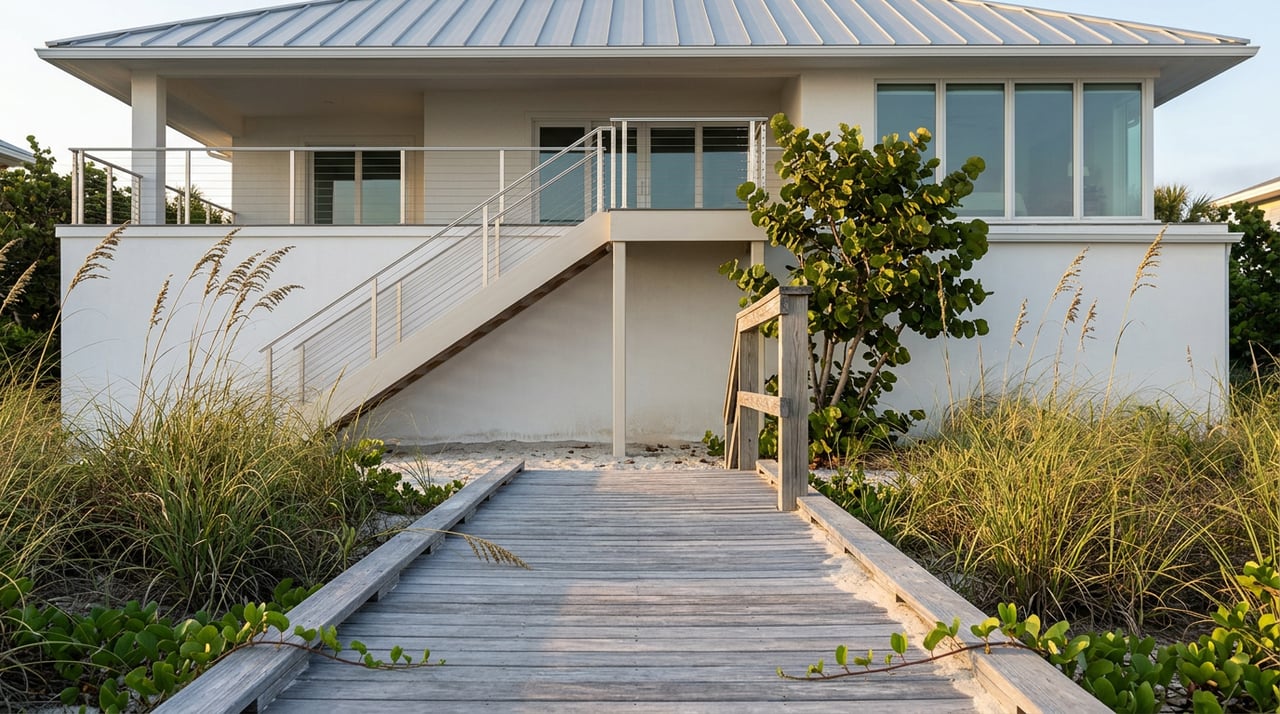
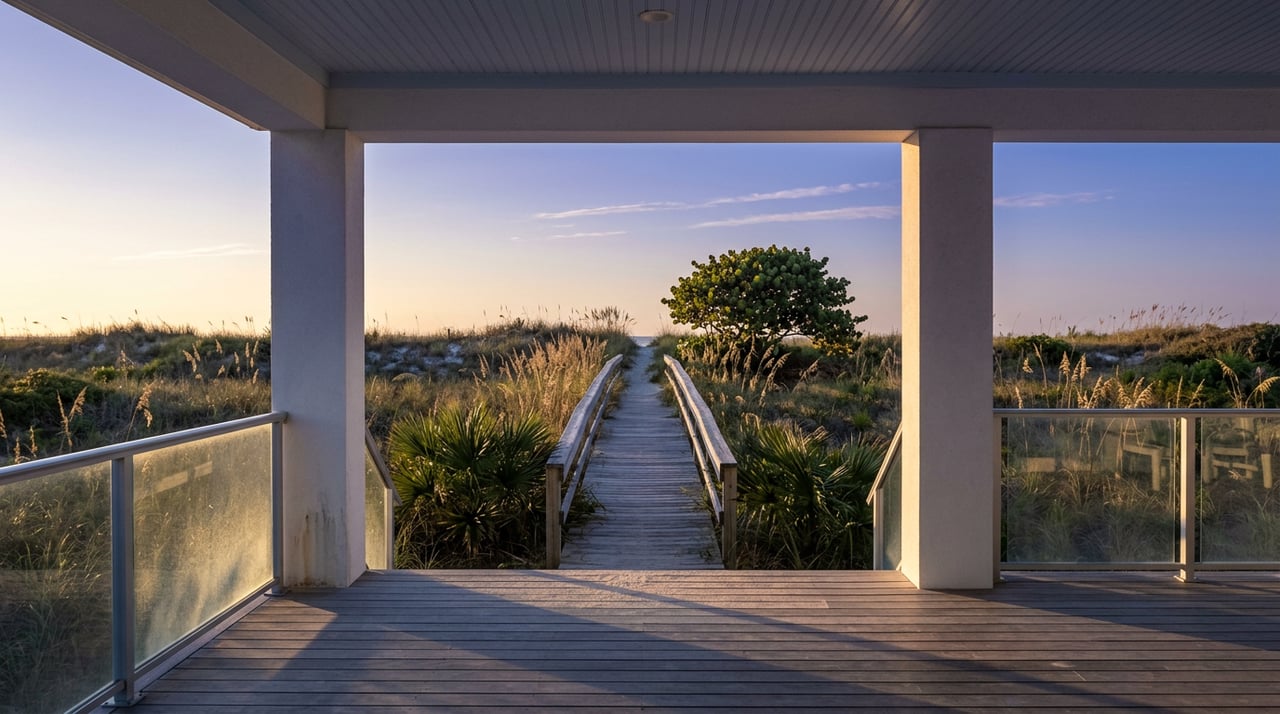
The detail that actually matters if you live here: this project touches infrastructure, not just sand. Three beach walkovers are being removed and rebuilt as part of the work, the one at the pavilion, one at the north end of the pavilion parking lot, and the North Lido Beach access point at the curve of John Ringling and Benjamin Franklin boulevards. Those are the exact paths most residents use to get from car to sand.
The renourishment disrupted the view. This one disrupts the route. A few specifics worth knowing before you plan a fall beach day:
In its May 26 report, MySuncoast quoted Lido Key Home Owners Association president Carl Shoffstall saying, "We are looking for the next one already." It also happened to be true within months.
The instinct with infrastructure news is to treat the ribbon cutting as the milestone and everything after as cleanup. Lido's own timeline argues the opposite. The renourishment was the emergency response, restoring what storms had taken. The dune-and-walkover project is the considered fix, the one designed to hold for the next storm cycle rather than just replace what was lost. It's also the one that will actually reroute how residents move through their own neighborhood this fall, because it rebuilds the paths people use every day rather than sand offshore that most people only look at.
If you live on or near Lido Key, the beach you're enjoying right now is wider than it's been in years, and that's worth noticing. What's worth planning around is the fact that the more disruptive, more permanent work is only getting started. The project that gets a mayor and a congressman at the podium isn't always the one that changes your Tuesday morning walk. Sometimes that's the smaller one that shows up in the fall without a ribbon at all.
Whether it's a wider beach or a rebuilt walkover, Lido Key's year has been less about arriving somewhere finished and more about staying in motion toward something sturdier. That's usually how the best neighborhoods work.
If you're weighing what a season of change like this means for property near the water, or you're simply curious what else is shifting across Sarasota's barrier islands, GiGi Kuster can walk you through it with the kind of local detail that doesn't show up in a headline. Create Your Sarasota Lifestyle.
Get assistance in determining current property value, crafting a competitive offer, writing and negotiating a contract, and much more. Contact me today.