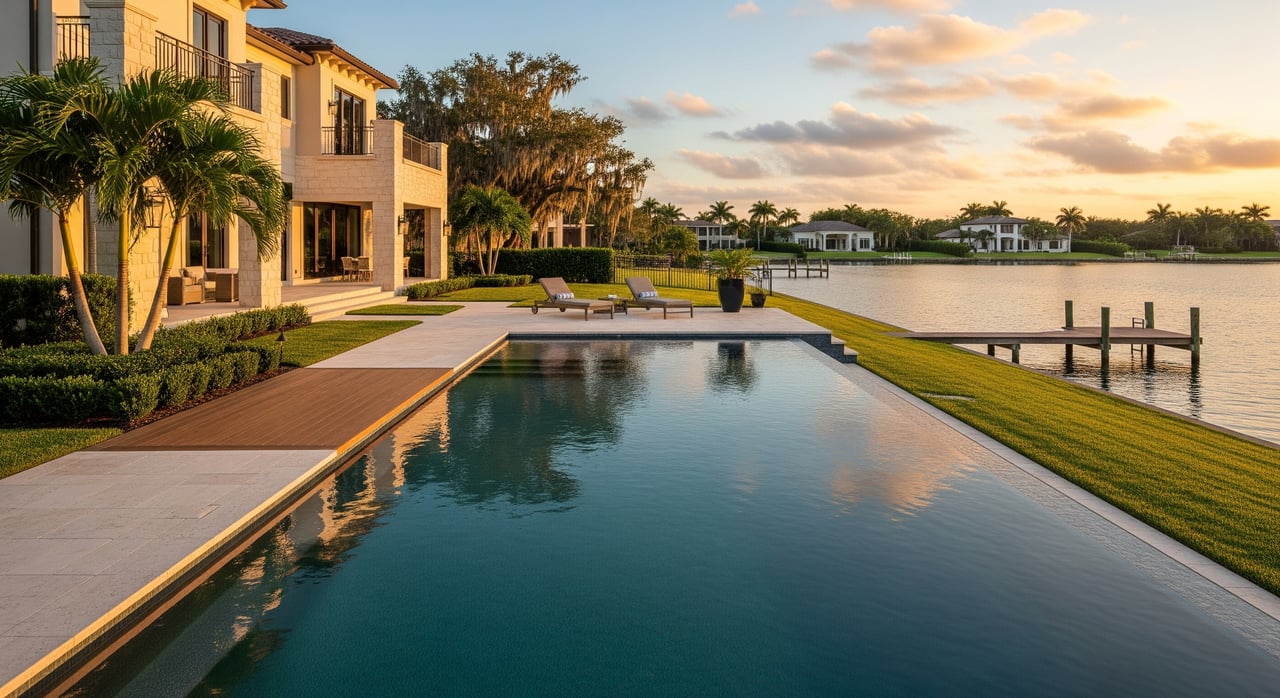
Lakewood Ranch Jumbo Loans: A Buyer’s Guide
December 4, 2025
December 4, 2025
Are you eyeing a Lakewood Ranch home this winter or spring and wondering if you’ll need a jumbo loan? You are not alone. Many luxury and new-construction homes in Manatee County sit above conforming limits, and jumbo financing follows its own rules. In this guide, you’ll learn how jumbo loans work, what lenders look for, and how to prepare a smooth, confident purchase. Let’s dive in.
A jumbo loan is a mortgage that exceeds the conforming loan limit set by the Federal Housing Finance Agency. Conforming loans can be sold to Fannie Mae or Freddie Mac, while jumbos are non-conforming and stay on lender balance sheets more often. Because of that, jumbo underwriting is usually stricter.
Before you assume your loan is conforming, verify the current Manatee County limit. The FHFA updates limits each year, and pricing shifts can push a home above or below that bar. You can confirm the latest county limit on the FHFA’s Conforming Loan Limits page.
Lakewood Ranch offers a range of neighborhoods, from gated and golf enclaves to condo and townhome communities. As prices move, more buyers need jumbo financing, especially for larger homes or amenity-rich properties. Because both local prices and the FHFA limit change annually, a home that was conforming last year might require a jumbo today.
If you plan to tour properties soon, factor jumbo rules into your strategy early. It helps you write stronger offers and close on schedule.
Jumbo standards vary by lender, but most look closely at credit, down payment, reserves, income, and property factors.
For best pricing, many lenders look for credit scores in the 720 to 760 range or higher. You may find approval with scores in the high 600s, but rates and requirements often rise. Down payments commonly range from 10 to 20 percent, with 20 percent or more offering stronger pricing and more lender options. Lenders also price by loan-to-value tiers, so a lower LTV can improve terms.
Many jumbo programs prefer a debt-to-income ratio at or below about 43 to 45 percent for full documentation. Some allow higher with strong compensating factors such as excellent credit, low LTV, or substantial liquid assets. Expect reserves of 6 to 12 months of principal, interest, taxes, and insurance for primary or second homes, and more for investment properties.
Plan for full documentation. Most lenders ask for two years of tax returns, W‑2s or 1099s, recent pay stubs, and employer verification. If you are self-employed or have complex income, be ready to provide two years of personal and business returns, profit and loss statements, and possibly bank statements. Asset verification includes bank and brokerage statements, retirement accounts, and clear sourcing of down payment funds and gifts.
Jumbos typically require a full interior and exterior appraisal, with extra scrutiny for unique or highly customized homes. Condos and planned communities often need a project review and HOA documentation, including budgets, litigation disclosures, and reserve funding. Lender overlays can differ, so a property a bank approves may be out of scope for another.
How you plan to use the home affects pricing and terms. A primary residence usually gets the most favorable treatment. A second home is often acceptable with similar loan-to-value limits, but expect slightly higher rates and higher reserve requirements. Investment properties carry the tightest standards.
Seasonal buyers are common in Florida. Lenders will classify the home based on your stated intent and usage patterns. It is important to be accurate about occupancy. If the property is in a FEMA flood zone, you will need flood insurance. To understand risk and plan your budget, review your location on the FEMA Flood Map Service Center and obtain insurance quotes early. Wind and hurricane coverage can also affect your monthly cost, which feeds into debt-to-income and reserve calculations.
Your rate depends on your profile and the market. Key borrower factors include:
Market forces also matter. Mortgage rates move with mortgage-backed securities and yield curves, not directly with the Federal Funds Rate. The spread between jumbo and conforming can widen during volatile periods and narrow in calm markets. For a sense of broad rate trends, you can review the Freddie Mac Primary Mortgage Market Survey. Many borrowers choose to pay discount points to lower their rate. Finally, pricing varies by lender, so it is smart to compare multiple options.
Starting early is your edge. If you plan to tour this winter or spring, begin conversations with lenders two to three months before you shop. That gives you time to collect documents, clear any issues, and select the right program.
Pre-qualification is an estimate based on limited information. A pre-approval involves a full file review with income, credit, and assets. For jumbo offers, sellers often prefer a strong pre-approval or even a pre-underwritten file. That can help your offer stand out in competitive neighborhoods.
Prepare these items early, since lenders often request them for jumbos:
For additional guidance on organizing your paperwork and shopping lenders, see the CFPB’s consumer resources for mortgage shopping and documentation.
Share your pre-approval letter and lender contact with your agent when you make offers. Ask about appraisal timelines and appraiser coverage in Manatee County, since local expertise with Lakewood Ranch comps can speed valuation. Request HOA and condo documents early, as project reviews can take time. Because Florida insurance affects your debt-to-income and reserves, get quotes for homeowners, wind, and flood coverage before you finalize terms.
Keep your liquid assets steady while you shop. Try to avoid major purchases, transfers, or new credit until after closing.
You can work with a national bank, a regional bank with Florida experience, a mortgage broker that shops wholesale lenders, or a local portfolio lender. Each has pros and cons. Focus on responsiveness, experience closing jumbos in Manatee and Sarasota counties, clear communication, and willingness to coordinate with your agent and HOA contacts. Strong execution is as valuable as rate.
With organized documentation and a clean appraisal, most jumbo loans can close within about 30 to 45 days. Leave room for extra time if the property is unique, if you are an out-of-state buyer, or if the lender needs a second appraisal. Early coordination on HOA reviews, insurance, and reserves helps keep everything on track.
If Lakewood Ranch is on your short list, align your financing now, then focus on lifestyle and neighborhood fit. Confirm the current FHFA limit for Manatee County, talk with two or three lenders, and gather your documents. With a strong pre-approval in hand, you can move quickly when you find the right home.
When you are ready to tour or refine your search, connect with Gigi Kuster for concierge guidance, local insight, and discreet coordination from offer to close. Create Your Sarasota Lifestyle.
Luxury Real Estate
The difference is rarely price alone — it is design, psychology, and how a home truly lives.

Get assistance in determining current property value, crafting a competitive offer, writing and negotiating a contract, and much more. Contact me today.