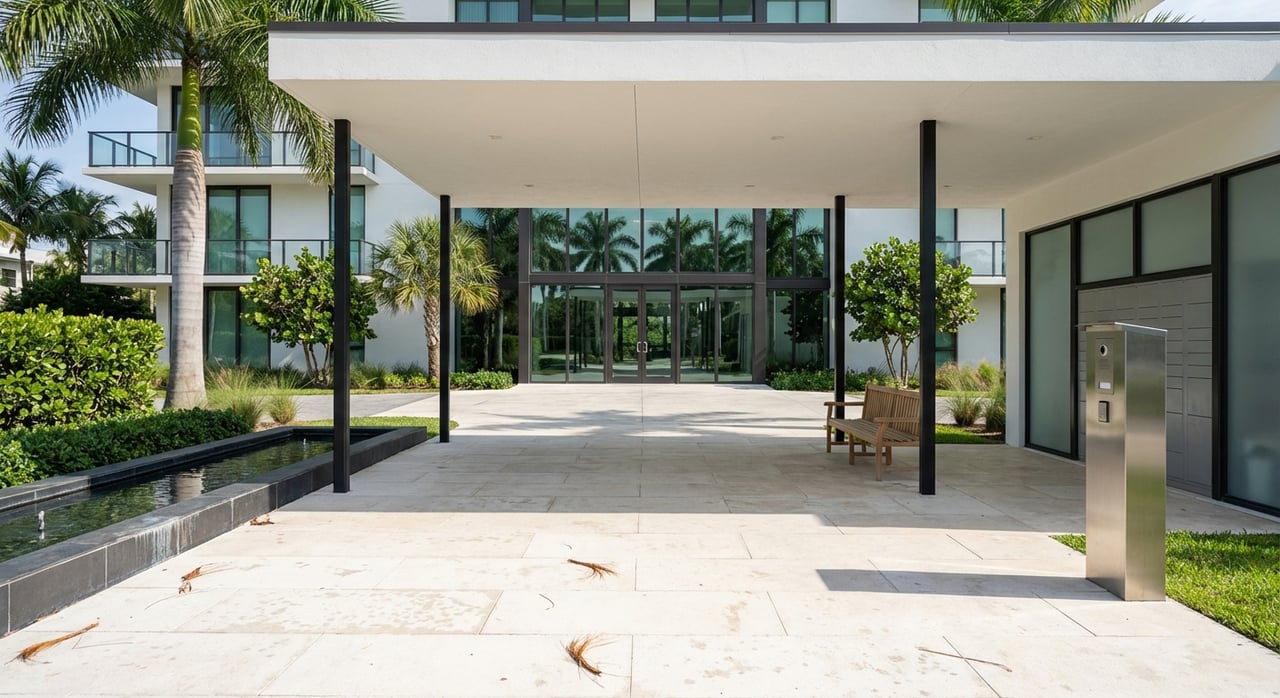
Longboat Key Lock and Leave Condo Lifestyle Guide
February 19, 2026
February 19, 2026
Craving a beach home you can enjoy, then simply lock the door and fly home worry‑free? Longboat Key delivers that ease with resort‑style condo communities, walkable Gulf beaches, and services designed for low‑maintenance living. If you split time across states or countries, you want convenience without surprises. In this guide, you’ll learn how lock‑and‑leave works on Longboat Key, what to verify before you buy, and which rules, insurance, and financing details shape a smooth ownership experience. Let’s dive in.
Longboat Key is a barrier island known for long Gulf beaches, boating access, and a relaxed, upscale vibe. Many owners spend months at a time here rather than living year‑round, so buildings often prioritize security, services, and straightforward management.
The town spans both Manatee and Sarasota counties. That matters for taxes, permitting, and some services, so confirm which county your target building sits in before you write an offer. The island’s resort‑style mix also means many associations already run the day‑to‑day items that make seasonal ownership easy.
Local rules shape the experience too. The town generally requires longer stays in most residential zones. Be sure to review Longboat Key’s short‑term rental rules early if you plan to rent.
Florida’s condominium model is built for low‑touch living. Under Florida’s Condominium Act (Chapter 718), associations maintain common elements, coordinate insurance for association property, and contract for services. On Longboat Key, that often includes:
Communities such as Players Club, Beachplace, and the Privateer/Longboat Key Club buildings are examples of the full‑service, Gulf‑front lifestyle many seasonal owners seek. Amenity lists vary by building, so verify current details before you buy.
Many Longboat Key condos are structured for monthly seasonal stays rather than nightly rentals. In residential zones, the town typically requires a minimum 30‑day rental term and enforces registration and fines for violations. Review Longboat Key’s short‑term rental guidance, then layer in each association’s rules on minimum stays, frequency limits, and any required registration or approved managers. If rental income matters to your plan, align your target building and the unit’s zoning with your intended schedule.
Your association’s master policy usually covers the building structure and common elements. Inside the unit, you carry a condo policy (HO‑6) for interior finishes, personal property, liability, and loss‑assessment coverage. In Florida, many hurricane or wind deductibles are percentage‑based, which can create larger out‑of‑pocket costs when a storm hits. Learn how percentage deductibles work through the Insurance Information Institute’s overview and ask your association to share its master‑policy deductible and reserves.
Many Longboat Key addresses sit in FEMA flood zones. Pull your building’s panel and ask for any elevation certificate through the FEMA Flood Map Service Center. Also read the town’s hurricane information to understand evacuation guidance and recovery basics. At the building level, confirm shutter or impact‑glass requirements, who closes shutters when you are away, package handling during storms, and the re‑entry process after an event.
Condo mortgages involve a review of the entire project, not just your unit. Lenders, Fannie Mae, and Freddie Mac often want current reserve studies, engineering reports, strong insurance, and limited unfunded repairs. Projects with safety concerns or major unfunded work can face tighter lending. Get familiar with the heightened Fannie and Freddie project‑review guidance and ask early whether your target building is typically approved for conventional loans. If not, plan for alternative financing and confirm how that may affect resale.
Florida has no state income tax, but county property taxes apply and homestead benefits typically do not apply to second homes. Verify assessments and exemptions with the Manatee County Property Appraiser and confirm whether your unit is on the Manatee or Sarasota side of the island.
If you buy from a foreign seller, U.S. law generally requires buyer withholding at closing under FIRPTA. International owners who collect rent should review the IRS Form 1040‑NR instructions and secure an ITIN with guidance from a U.S. tax advisor. For estate planning, note that nonresident non‑citizen owners face a much lower filing threshold for U.S. estate tax; review the IRS’s summary on estate tax for nonresident owners and consult cross‑border counsel.
Before you make an offer, request and review:
If you want the beach at your doorstep without a second home’s to‑do list, Longboat Key condos offer a compelling balance of service and simplicity. The trade‑off is clear: you gain convenience and a refined coastal lifestyle while accepting association governance, storm and flood realities, and project‑level financing factors. With the right building and a smart review of rules, reserves, insurance, and rental fit, you can enjoy a nearly turnkey experience season after season.
Ready to find a building that truly fits your lifestyle? Connect with Gigi Kuster to compare associations, review key documents, and tour the best lock‑and‑leave condos on Longboat Key. Create Your Sarasota Lifestyle.

Luxury Real Estate
The difference is rarely price alone — it is design, psychology, and how a home truly lives.

Get assistance in determining current property value, crafting a competitive offer, writing and negotiating a contract, and much more. Contact me today.