Thinking about selling your Lido Key home but unsure when to list? Timing can make a real difference in how many buyers you reach, how quickly you sell, and what price you achieve. If you want to align with peak buyer demand while keeping the process smooth, you’re in the right place. In this guide, you’ll learn how Lido Key’s seasons affect showings and offers, how to plan your prep and photography, and two listing calendars that work for both residents and vacation-rental owners. Let’s dive in.
Lido Key market rhythm
Lido Key follows Sarasota’s coastal seasonality. High season typically runs November through April, with the strongest in-person buyer traffic from January to March. Shoulder periods include late October to early November and April to May, when some buyers remain active but vacation traffic eases. Summer through early fall, especially June to September, is the low season as heat and storm risk reduce in-person showings.
What does this mean for you? In winter, there are more on-island buyers, often with fewer competing listings, which can help your pricing power. In the shoulder months, you may face less listing competition while still reaching motivated buyers. In summer, expect longer days on market and fewer in-person visits, though serious buyers still search year-round.
The best time to sell on Lido Key
If your goal is maximum exposure, aim to be live on the market by late October through January. That timing captures early online searches from seasonal buyers in the fall and puts you in front of peak on-island traffic in December through March. You’ll be ready when snowbirds arrive for winter and are touring in person.
If you prefer a spring-focused sale, a January to February list can work well. You’ll still benefit from winter momentum and catch local buyers who favor moving outside peak tourist months. April and May can be productive, although snowbird activity begins to taper.
When should you avoid listing? Peak hurricane season from August to October can dampen buyer confidence. If you must list then, plan for a longer runway and be prepared to share insurance, mitigation, and maintenance documentation to support buyer confidence.
Who you reach by season
- Snowbird and second-home buyers: Many start online searches in the fall, then tour and write offers in winter. Being listed by October or November helps you meet their timeline.
- Local primary-home buyers and retirees: They shop year-round and often prefer to move outside peak tourist months for ease and logistics.
- Investor and short-term rental buyers: They watch occupancy and revenue trends. Listings with clear rental histories and calendars tend to attract more attention.
Work backward: your prep timeline
Start early so you launch at the right moment without stress. A strong pre-list plan combines maintenance, staging, photography, and documentation.
- 8 to 12 weeks out: Schedule cosmetic updates, deep cleaning, landscaping, and any needed permits. Book your stager, photographer, and drone pilot. If the home is a rental, evaluate upcoming bookings and plan access for showings.
- 4 to 6 weeks out: Complete touch-ups like paint, hardware, grout refresh, and exterior power washing. Finalize staging and decluttering.
- 1 to 2 weeks out: Finish cleaning, complete photography and videography, and prepare your MLS launch and marketing.
Pre-list checklist
- Paperwork and disclosures: HOA documents, recent utility bills, permits for past work, and any rental history if applicable.
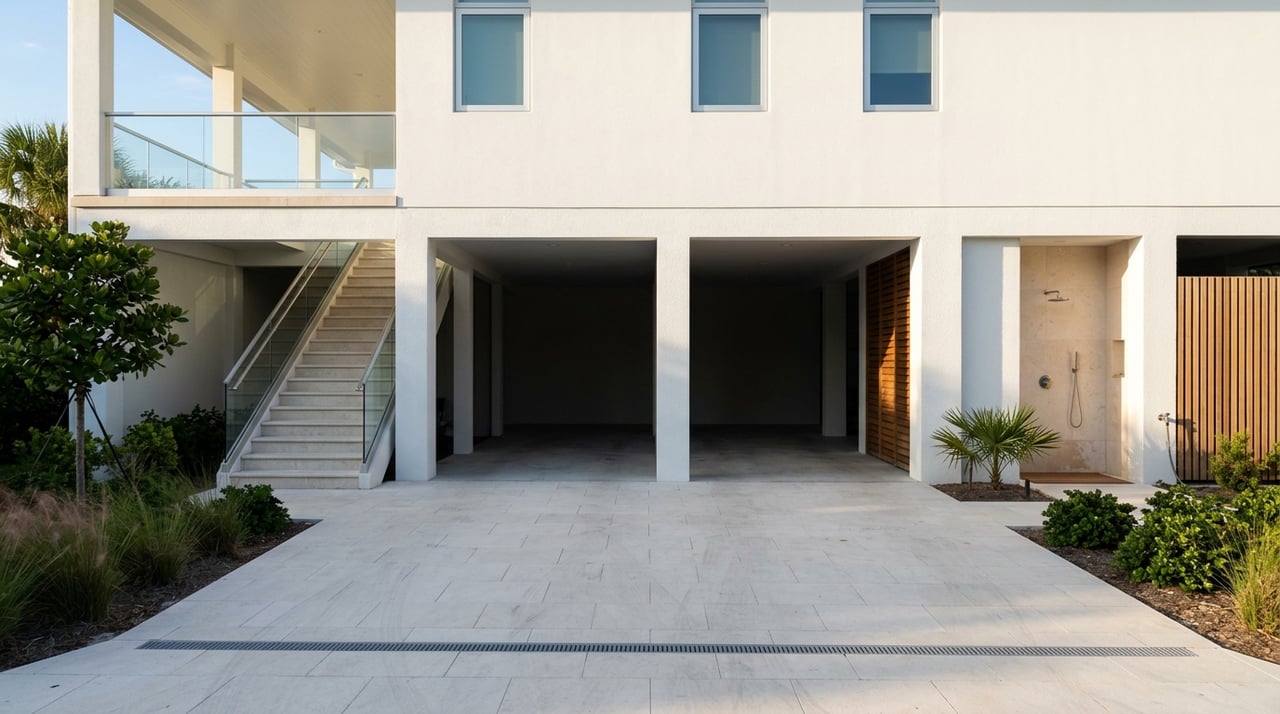
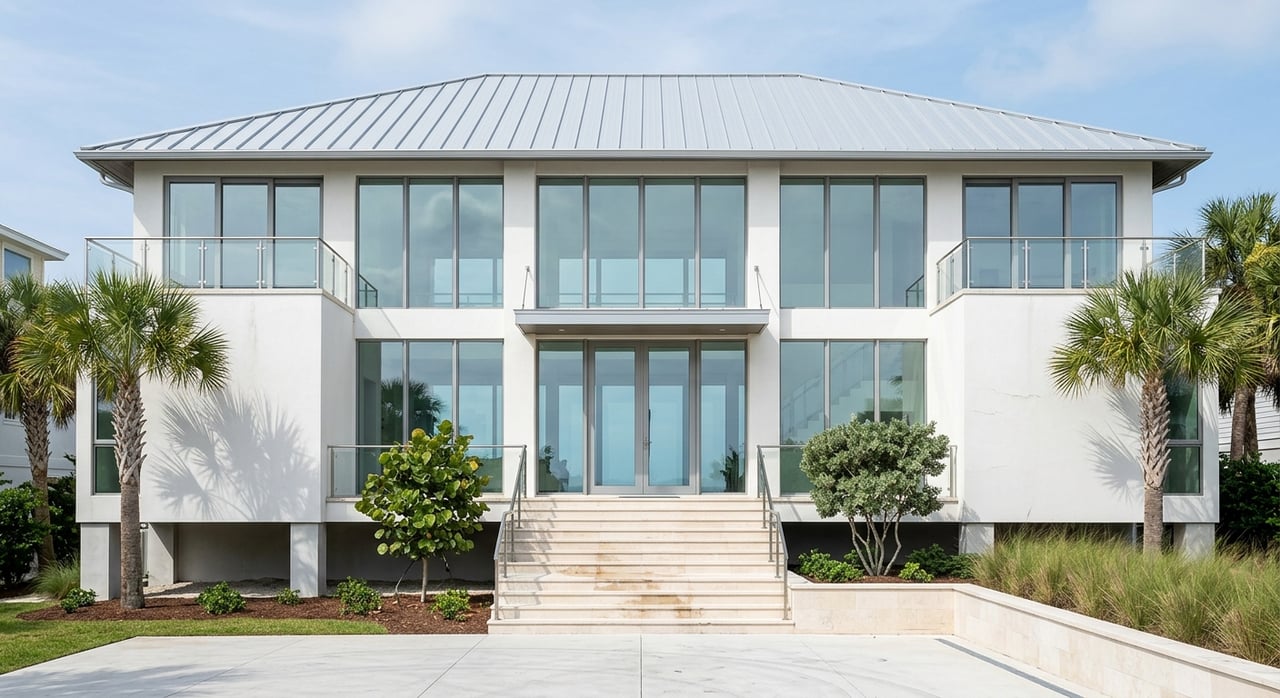
- Maintenance and repairs: Address roof, gutters, HVAC service, windows and doors, deck or dock items, and pool equipment. Barrier-island buyers focus on weatherproofing.
- Optional pre-list inspection: Helpful in a market with experienced coastal buyers. It can reduce surprise negotiations.
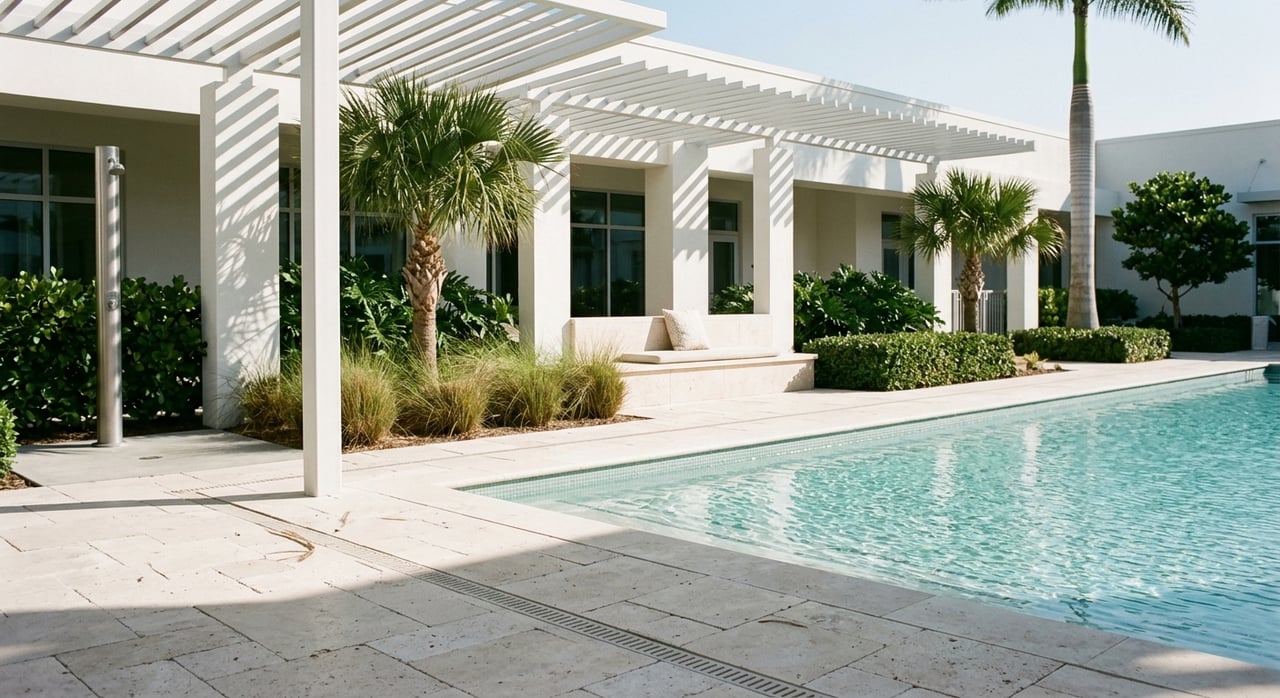
- Curb appeal: Trim palms, tidy beds, clean pavers, and refresh outdoor furniture.
- Staging plan: Neutral coastal design with light linens, simple greenery, and minimal nautical accents. Remove heavy holiday decor if listing during winter festivities.
- Professional visuals: High-quality photos, drone imagery for beach and water proximity, and a 3D or virtual tour to reach out-of-area buyers.
Photography and presentation that sell
Sarasota’s sunlight works in your favor, but timing matters. Daylight ranges from roughly 10 to 11 hours in winter to about 14 in summer, and winter’s lower sun angle creates warm, flattering exterior light.
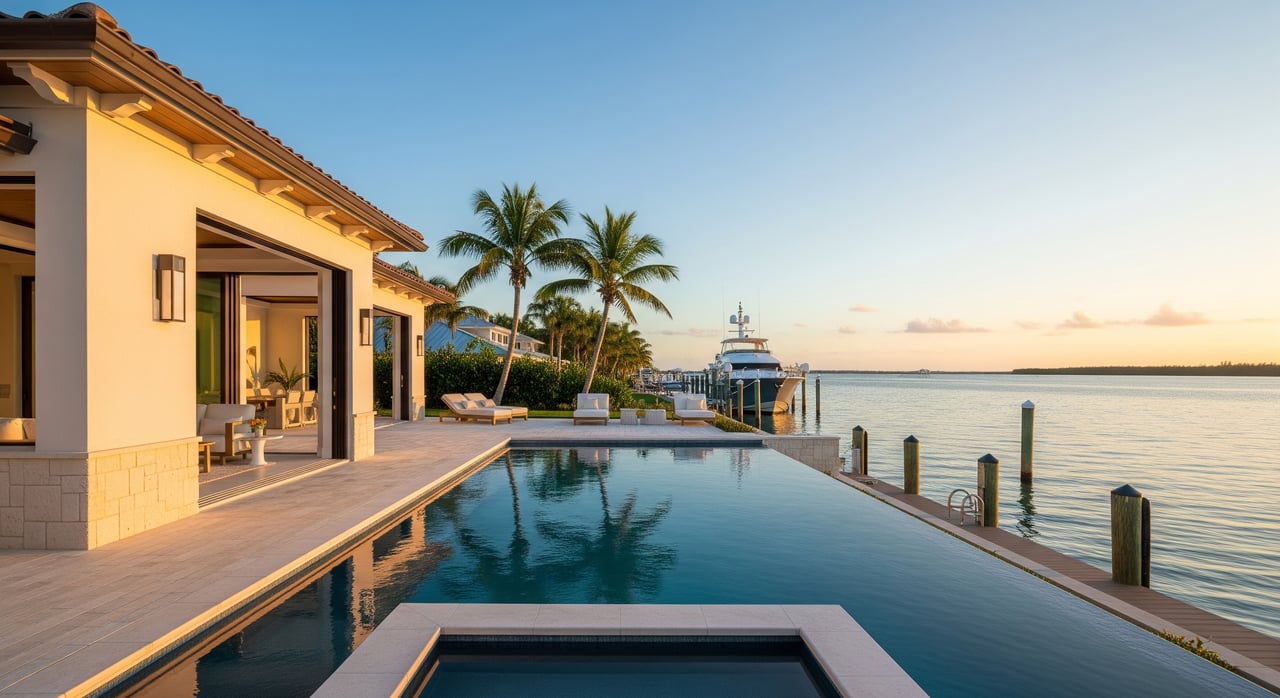
- Exterior photos: Early morning or late afternoon are best. For west or Gulf-facing views, late afternoon into sunset captures the water and sky at their peak. East-facing courtyards photograph well in the morning.
- Interior photos: Use as much natural light as possible, with balanced artificial lighting. Winter’s clear skies still deliver bright, even interiors.
- Aerial and drone: Ideal for island properties to show proximity to the beach, water orientation, and neighborhood context. Confirm local rules before flight.
- Twilight shots: Great for outdoor living and water views, especially fall through spring when temperatures are comfortable and sunset times are manageable.
If you plan to list for winter high season, photograph in late fall before heavy holiday decor goes up. If you must list in summer, schedule shoots to avoid harsh midday glare and emphasize cooling amenities like pools, shade structures, and indoor-outdoor flow.
Two proven calendar strategies
Strategy A: Maximize snowbird season
- August to September: Start planning. Book contractors, staging, and photography. If the property is a rental, reduce bookings or plan access for prep.
- October: Complete major repairs and staging. Begin pre-marketing to capture fall online searches.
- November to January: Go live on the MLS and syndication. Align open houses and showings with high-season travel weeks. Consider twilight photography for standout marketing.
- February to March: Expect peak on-island activity. Be ready to accommodate frequent showings and swift negotiations.
Strategy B: Spring-focused launch
- November to December: Finish repairs and prep. If needed, shoot photos in January for crisp light.
- January to February: List for late winter and early spring. This avoids the holidays while still leveraging winter momentum.
- March to April: Ride the local market’s spring energy. Expect tapering snowbird traffic later in spring.
Selling a vacation rental property
Short-term rental owners often balance high-season bookings with optimal listing windows. Winter rentals from December to March may be your most valuable nights, yet that is also the best time for buyer traffic.
- Decide your priority: Maximize rental revenue or maximize buyer exposure. If exposure wins, reduce bookings during winter and offer flexible showing access.
- Provide clarity: Share rental calendars, revenue history, and management details. Investors rely on these to underwrite value.
- Logistics and access: Use clear showing instructions, lockboxes, and advance notice to respect guest privacy while maximizing showings. Offer virtual tours for buyers who are off-island.
Pricing, risk, and buyer confidence
High-season listings often benefit from strong demand and lower inventory, but pricing must still reflect recent comparable sales. Listing too high can stall momentum, especially in low season. A well-priced listing in winter can attract multiple offers.
Coastal buyers also ask detailed questions. Be prepared with flood zone information, wind mitigation features, roof age and certificates, hurricane protection details, and insurance documentation. A seller-prepared inspection can help surface and solve issues early.
Mortgage and interest rate conditions influence buyer pools throughout the year. Stay flexible on closing dates to align with seasonal travel schedules for out-of-area buyers.
Quick decision guide
- If you can, list by late October through January to be in market during December to March.
- Prefer spring? A January to February launch still captures winter momentum and local buyers.
- Planning a summer listing? Lead with strong visuals, compelling pricing, and robust online marketing. Expect fewer in-person showings.
- Start prep 8 to 12 weeks out. Book pros early, especially for staging, photography, and drone work.
- Document roof, mitigation, and insurance. Provide rental histories if selling a vacation property.
- Use twilight and golden-hour photography to showcase water, sunsets, and outdoor living.
Ready to time your sale with confidence?
If you want a strategic launch that fits your goals, your schedule, and the Lido Key market rhythm, let’s build the plan together. From guided valuation and staging to concierge marketing and global reach, you will have a calm, expert process from start to sold. Create Your Sarasota Lifestyle with Gigi Kuster.
FAQs
What is the best month to list a Lido Key home?
- December through March typically bring the most on-island buyer traffic, so being active by late October or November positions you for peak winter showings.
Should I list during the winter holidays on Lido Key?
- Yes, Florida’s winter holidays still see active buyers. Keep decor minimal and maintain flexible showing times for seasonal visitors.
How does hurricane season affect selling on Lido Key?
- Activity often slows from August to October. If listing then, share insurance and mitigation details and set expectations for a longer market timeline.
When should I sell a Lido Key vacation rental property?
- If you want maximum buyer exposure, reduce winter bookings and list by late fall. Provide rental calendars and income records to attract investor interest.
What photography works best for Gulf-facing Lido Key homes?
- Schedule exterior shoots in late afternoon to sunset, use golden-hour light, include drone images, and add twilight shots to showcase outdoor living and water views.
How far in advance should I prepare my Lido Key property?
- Start 8 to 12 weeks before your target list date for repairs, staging, and photography. Use 4 to 6 weeks for touch-ups, then finalize marketing 1 to 2 weeks before launch.
Is spring or winter better for selling on Lido Key?
- Winter usually offers the highest in-person buyer traffic. Spring can still be strong, though snowbird activity tapers and you may see fewer seasonal visitors.